

About

The Ontario Mental Health and physical health Report

Illustration of students and school supplies.

Students
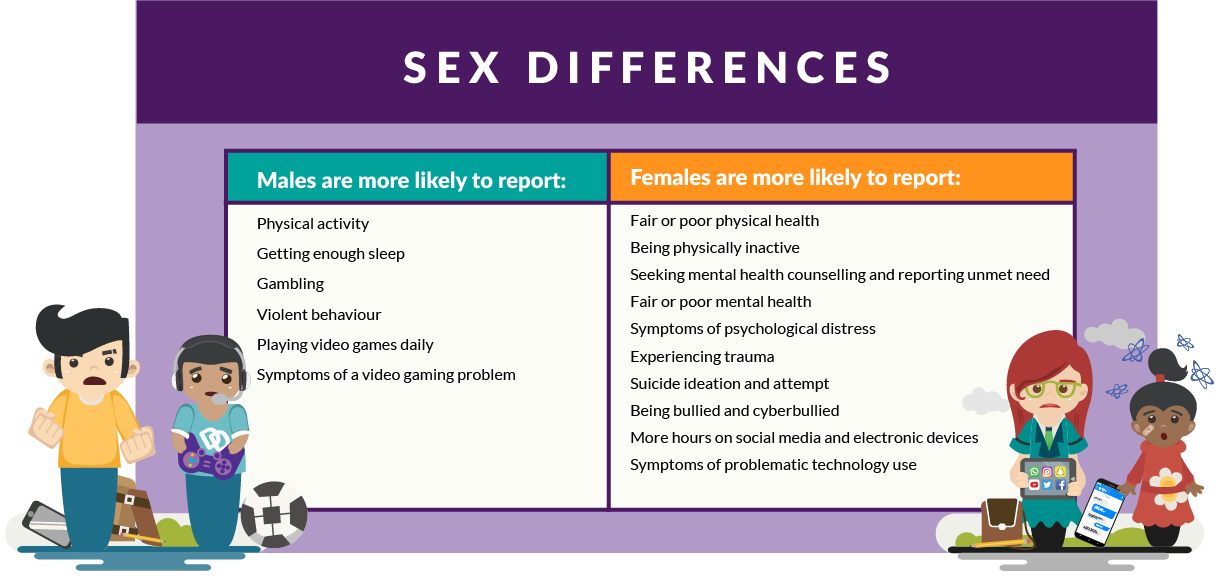
Illustration of an open book and school supplies.
7–12

Grades

Illustration of a school.

Schools

Read more
  • ABOUT OSDUHS
  • OSDUHS reports

The 2017 OSDUHS Mental Health and Well-Being Report

The Centre for Addiction and Mental Health’s Ontario Student Mental Health and Well-Being Survey (OSDUHS) is the longest ongoing school survey of adolescents in Canada, and one of the longest in the world. The OSDUHS has been conducted every two years since 1977, and 2017 marks the study’s 40th anniversary. A total of 11,435 students in grades 7 through 12 from 52 school boards, 214 schools, and 764 classes participated in the 2017 OSDUHS, which was administered by the Institute for Social Research, York University. This report describes physical health indicators, mental health indicators, bullying, gambling and related problems, video gaming and related problems, and other risk behaviours among Ontario students in 2017 and changes since 1991, where available. All data are based on self-reports derived from anonymous questionnaires administered in classrooms between November 2016 and June 2017.

OSDUHS Reports

2017 OSDUHS Mental Health and Well-Being Summary Report cover

2017 Mental Health and Well-Being Summary findings

Download your copy of the 2017 OSDUHS Summary findings as a PDF.
2017 OSDUHS Mental Health and Well-Being Detailed Report cover

2017 Mental Health and Well-Being Detailed findings

Download your copy of the 2017 OSDUHS Detailed findings as a PDF.
hide

How students rate their health

Mental Health is Health logo.
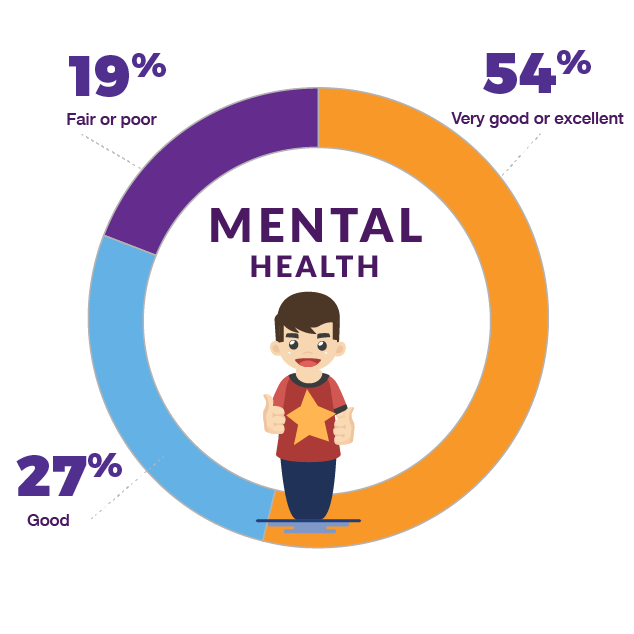
Pie chart showing students rating of ther mental health: 54 percent rate it is good or very good, 27 percent say good and 10 percent say fair to poor
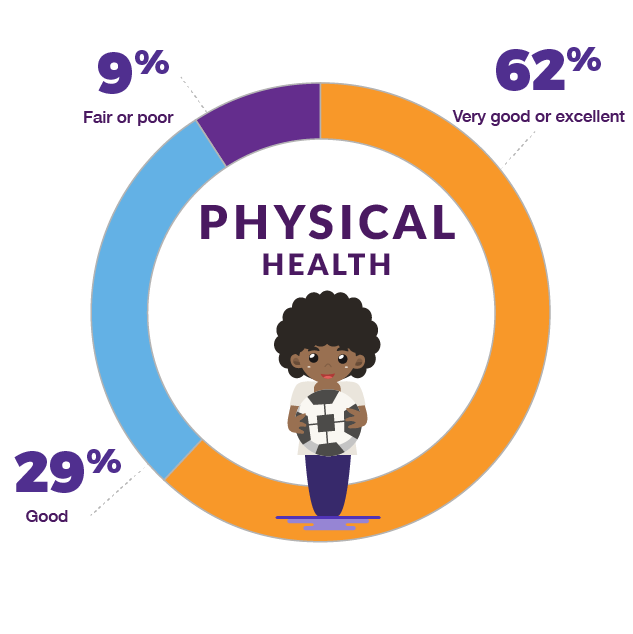
Pie chart showing students rating of their physical health: 62 percent rate it as very good or excellent, 29 percent say it is good and 9 percent say it is fair or poor

Mental Health

30%
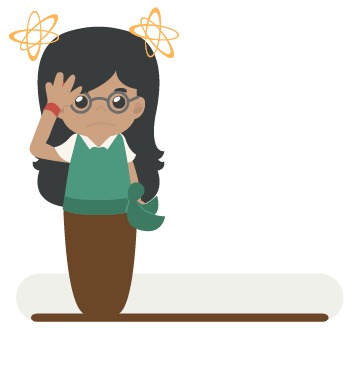
Female student looking stressed. 30 percent of students report an elevated level of stress or pressure in the past month.

of students report an elevated level of stress or pressure in the past month

of students indicate moderate to serious psychological distress in the past month

of students report a serious level of psychological distress in the past month

Psychological distress includes symptoms of anxiety and depression.

31%
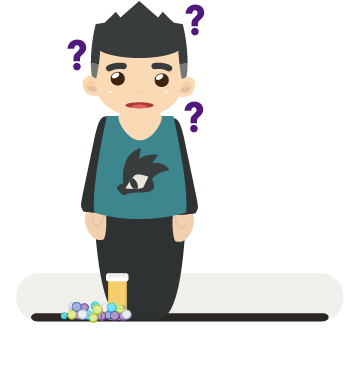
Illustration of confused student with a bottle of medication and question marks surrounding their head. 31 per cent of students want to talk to someone about their mental health.

of students wanted to talk to someone about their mental health, but did not know where to turn

of students visited a mental health care professional for a mental health matter at least once

of secondary school students took prescription medication for anxiety, depression or both in the past year

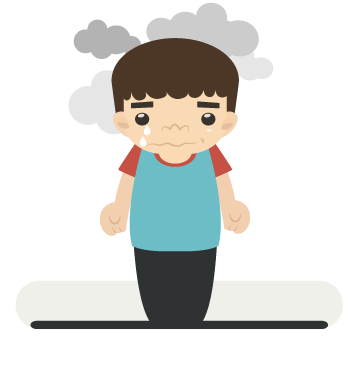
Illustration of student with gray clouds around them and a sad look on their face.

of students report serious thoughts of suicide in the past year

of students report a suicide attempt in the past year

Technology Use

86%
Illustration of a youth viewing social media sites. 86 percent of students visit social media sites daily.

of students visit social media sites daily

20%
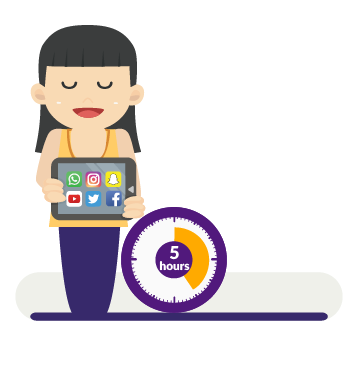
Student holding a tablet with several social media sites open standing beside a clock showing the passing of 5 hours. Twenty percent of all students spend five hours or more daily on social media.

of students spend five hours or more daily on social media

30%
Illustration of student standing behind a laptop computer while holding a smart phone and a gaming controller. There is also a clock showing the passing of 5 hours. 30 percent spent five hours or more on electronic devices in their free time.

of students spent five hours or more on electronic devices in their free time

5%
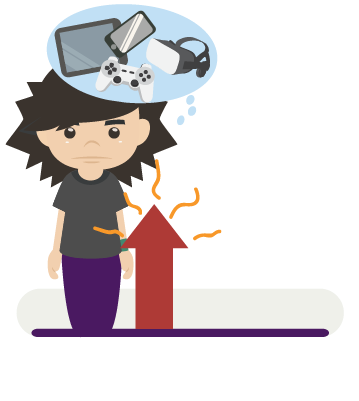
Illustration of student with a dream bubble over their head. The bubble is full of images of electronic equipemnt such as VR goggles, a gaming controller, a cell phone and a tablet. 5 percent report symptoms that may suggest a serious problem with technology use.

of secondary students report symptoms that may suggest a serious problem with technology use

Physical Health

36%
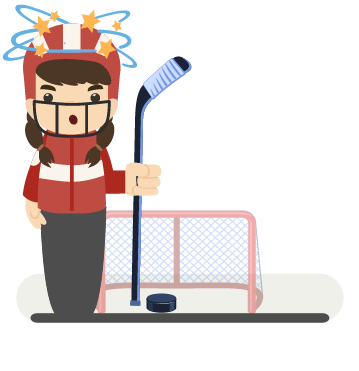
Graphic of a hockey player with a concussion. 36 percent of students reported experiencing a concussion in their lifetime.

of students reported experiencing a concussion in their lifetime

of students were treated for an injury in the past year

of students report experiencing a concussion in the past year – playing hockey or another team sport were main causes

23%
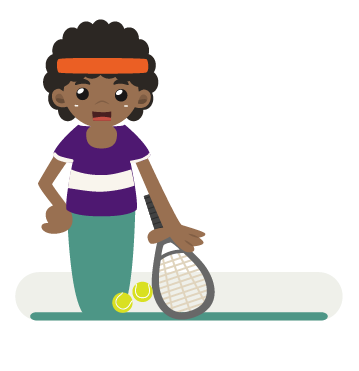
Illustration of student dressed to play tennis. 23 percent met recommended daily physical activity guideline (60 minutes of daily vigorous activity)

of students met recommended daily physical activity guideline (60 minutes of daily moderate-to-vigorous activity)

64%
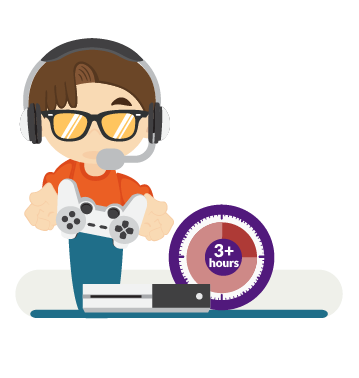
Illustration of a student holding a gaming controller and wearing heaphones with a mic. There is a clock beside them showing the passing of 3 hours. 64 percent spend three hours or more per day of screen time in their free time.

of students spend three hours or more per day of screen time in their free time

33%
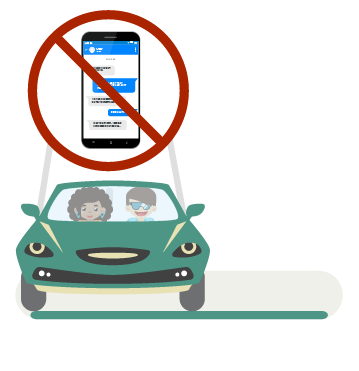
Illustration of 2 students diving and a No texting image beside them. 33 percent report texting and driving

of adolescent drivers report texting and driving in the past year

School Life

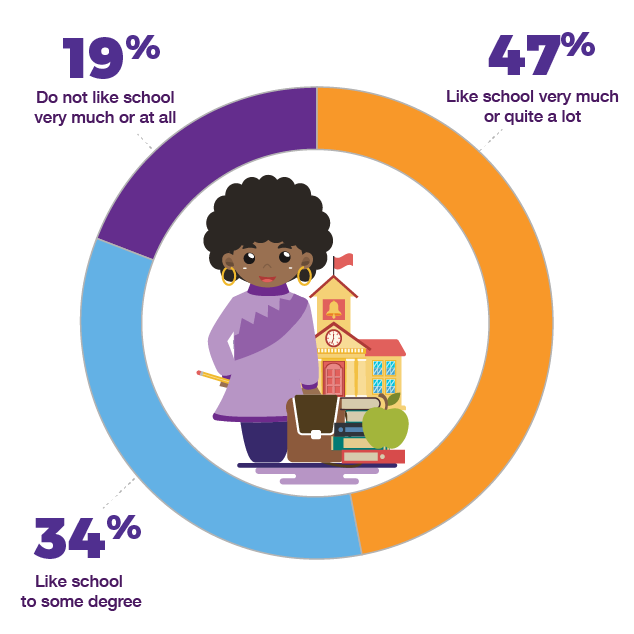
Pie chart showing how students feel about school in general: 47% like school very much or quite a lot, 34% like school to some degree, 19% do not like school very much or at all
85%
Illustration of 3 friends at school. 85 percent of students feel close to people at their school

of students feel close to people at their school

Bullying

21%
Illustration of school with a lot of comotion. 21 percent report being bullied at school.

of students report being bullied at school – mostly verbally

21%
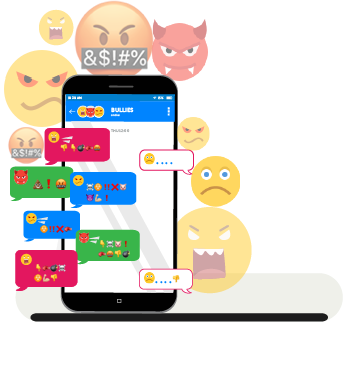
Illustration of a mobile phone with mean looking avatoars sending several messages to a sad face. 21 percent report being cyber-bullied.

of students report being cyber-bullied

Difference between what males are more likely to report as health and mental health issues vs what females report. Males are more likely to report:
Physical activity, Getting enough sleep, Violent behaviour, Playing video games daily, Symptoms of video gaming problems. Females are more likely to report: Fair or poor physical health, Being physically inactive, Seeking mental health counselling and reporting unmet need, Fair or poor mental health, Symptoms of psychological distress,  Experiencing trauma,  Suicide ideation and attempt, Being bullied and cyberbullied, More hours on social medial and electronic devices, Symptoms of problematic technology use