Changing attitudes is a giant step toward better mental health. CAMH is driving social change by raising awareness and understanding of mental illness and addiction, breaking down the stigma surrounding them and promoting an inclusive society.
Scientists in CAMH’s Social and Epidemiological Research department work in the community, gathering knowledge to inform prevention and service delivery strategies.
"Stigma is a barrier to people seeking help," says CAMH Senior Scientist
CAMH’s unique mobile research lab travels to remote and disadvantaged communities—places often overlooked by researchers—to assess stress and mental health. This year the lab visited Aamjiwnaang First Nation near Sarnia to learn how the system of services for mental illness, substance use and violence could work better to help community members.
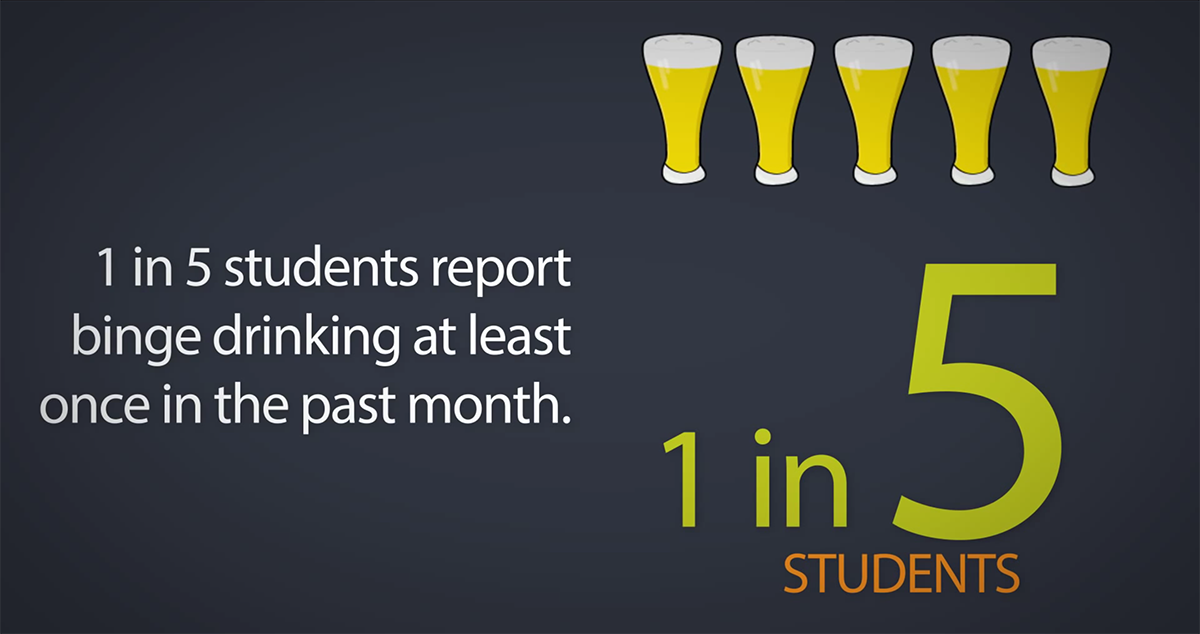
CAMH’s population-based research is influencing public policy. Our Ontario Student Drug Use and Health Survey has revealed the emergence of certain high-risk behaviours; the alarming number of young people who acknowledged texting while driving is leading to tougher penalties for distracted driving.
For the first time, we began tracking suicide ideation using the CAMH Monitor, our ongoing survey of Ontario adults, and results showed more than 230,000 of them seriously contemplated suicide in the last year. Other worrying trends included significant increases in cannabis use, in daily alcohol use, and in self-reported poor mental health, especially among young people 18 to 29 years old. Evidence points to the need for more support from family, friends and health professionals when it comes to the overall well-being of youth transitioning to adulthood.
Population education and bold public awareness campaigns like
With thousands of people participating, the all-night challenge resonated strongly with the community, drawing corporate support from
CAMH’s anti-stigma efforts are also being driven forward by our many community-based programs such as