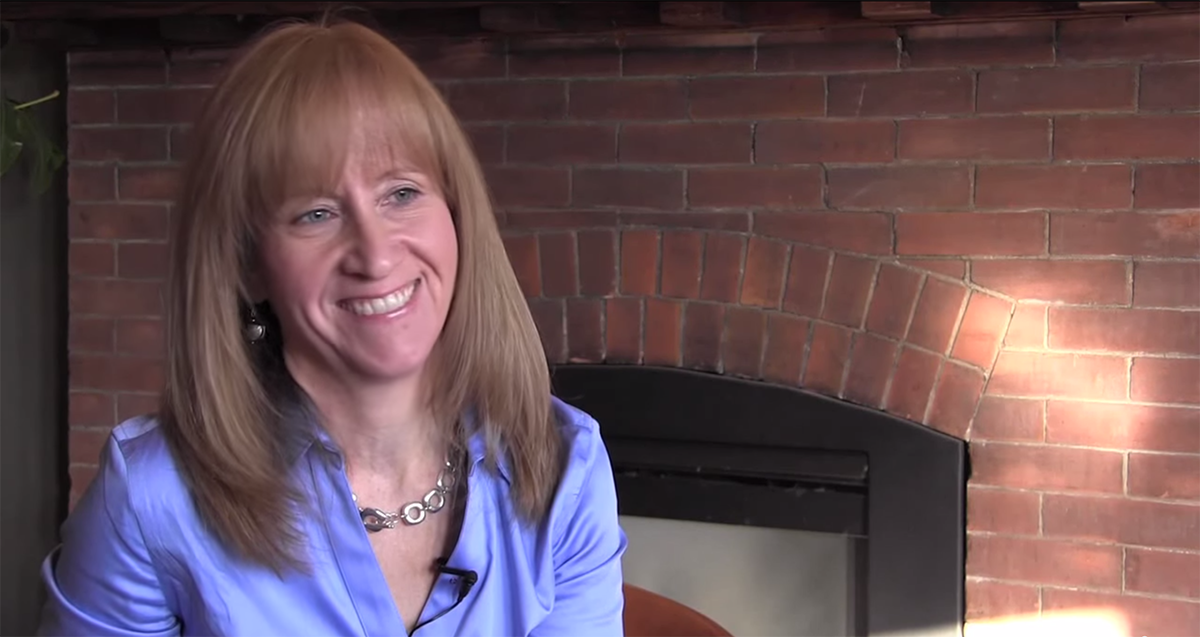
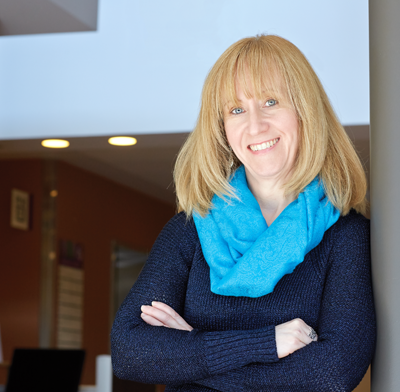
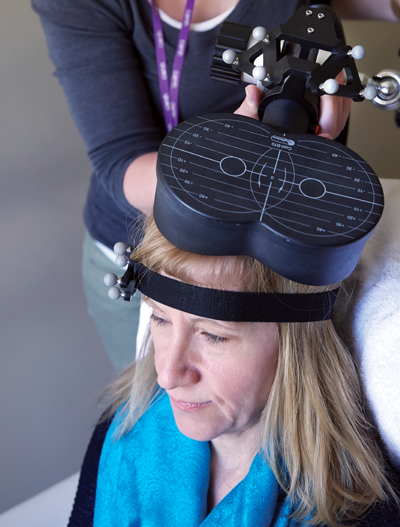
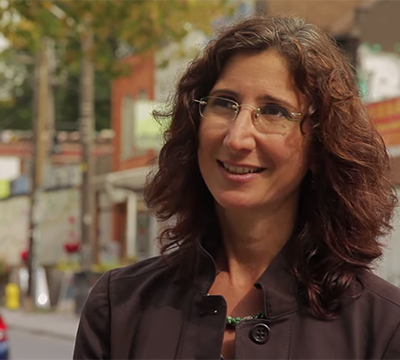
After struggling with treatment-resistant depression for more than a decade, Gail Bellissimo received repetitive transcranial magnetic stimulation (rTMS) at CAMH’s Temerty Centre for Therapeutic Brain Intervention. It worked where nothing else had.
"By the third week of treatment I felt like I deserved to be here," Gail says. "I could breathe again."
Brain stimulation is revolutionizing mental health care. It has virtually no side-effects, is painless and non-invasive, and shows potential in treating a range of mental illnesses. With rTMS already approved for adults with depression—thanks in large part to work performed at the Temerty Centre for Therapeutic Brain Intervention—researchers are now turning their attention to young people with the disorder.
Brain stimulation has been shown to improve working memory performance in patients with schizophrenia, and is being tested as a possible treatment for anorexia.
Early results of a CAMH study suggest brain stimulation even reduces cigarette cravings among smokers with schizophrenia; people with schizophrenia have smoking rates three to four times higher than that of the general population.
Through her role as the inaugural O’Brien Scholar, established by David and Gail O’Brien, CAMH’s Dr. Stephanie Ameis is in the midst of the world’s first clinical trial exploring the use of rTMS in young people with Autism Spectrum Disorder. Brain stimulation may improve this population’s ability to perform daily organizational tasks.
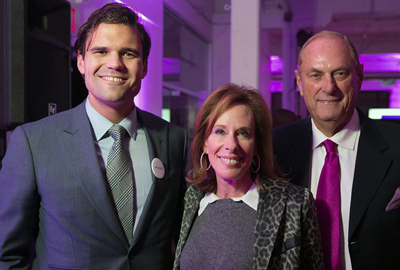
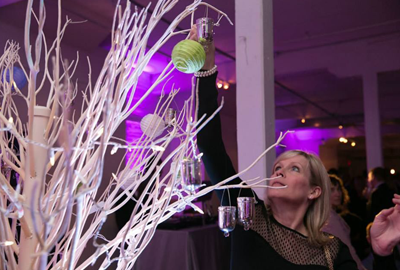
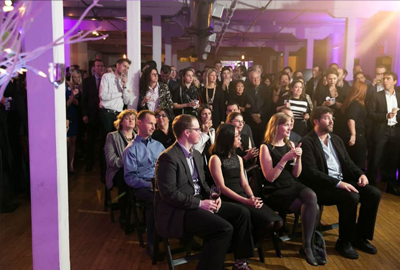
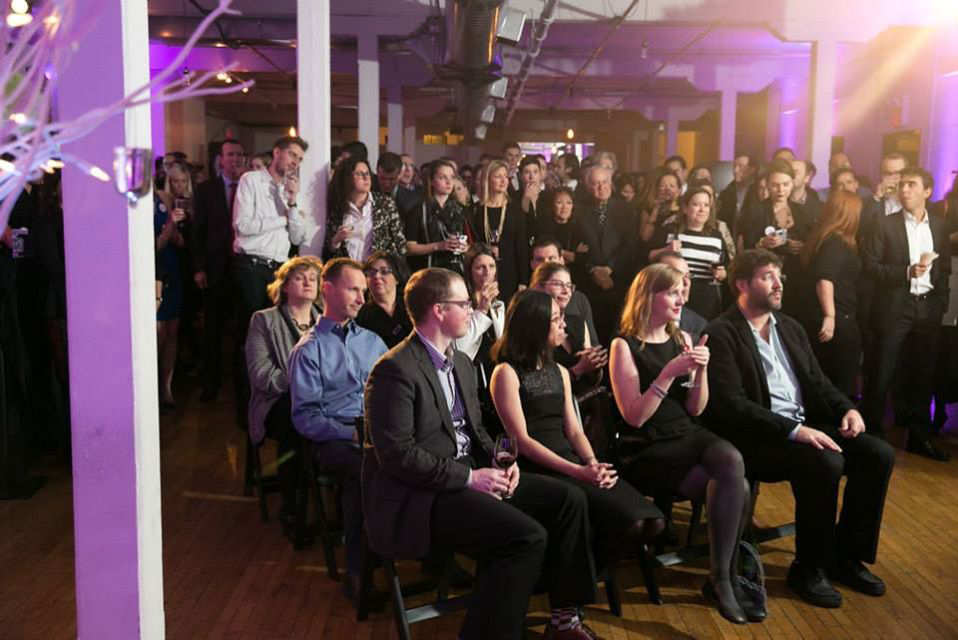
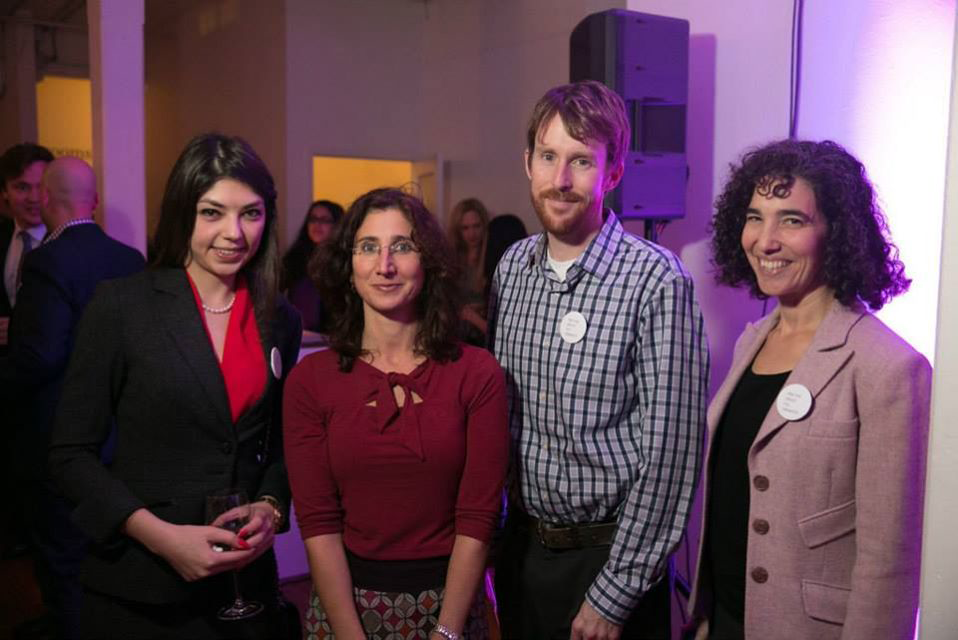
Not surprisingly, brain stimulation is attracting support from donors who appreciate its tremendous potential. At CAMH’s recent Breakthrough Challenge, the community demonstrated just how engaged it is in CAMH’s leading brain stimulation work. Through the Challenge, which attracted thousands of online votes and raised $166,000 for CAMH, the public was invited to learn about the work of five researchers and vote for the CAMH scientist they thought most deserved support.
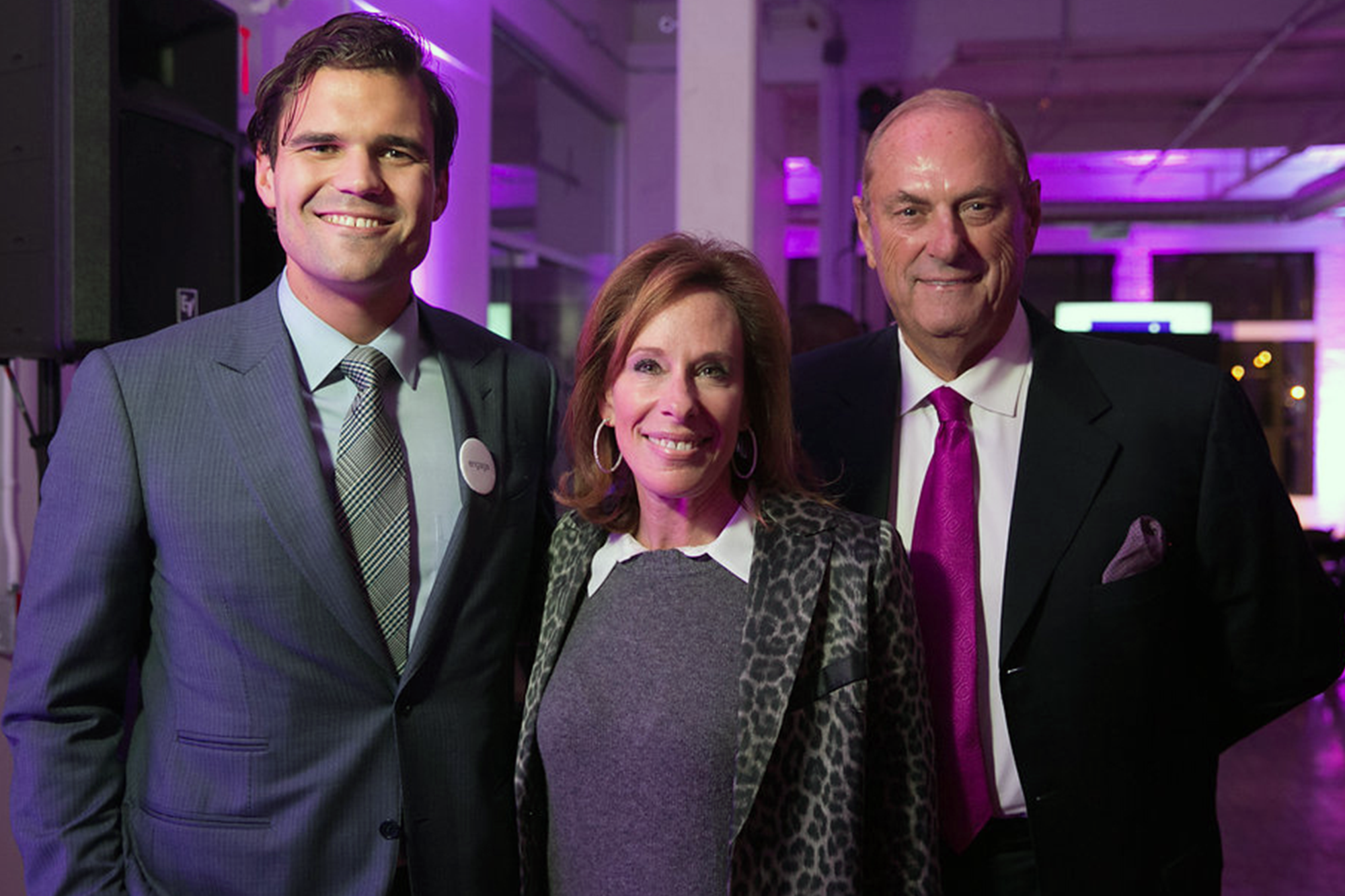
Dr. Faranak Farzan’s study of rTMS in young people with depression struck a chord with event attendees, earning her $10,000 in support generously donated by Jim and Sandi Treliving. Dr. Yona Lunsky was also awarded $5,000 in support from an anonymous donor for her study aimed at creating a better understanding of developmental disabilities and mental illness.
The event was created by CAMH Engage, a dynamic group of young people committed to generating resources for research at CAMH.
"Through the Breakthrough Challenge, we connected researchers directly with the public and empowered them to convey the exciting potential of their research," explains Alex Tapscott, Breakthrough Challenge co-chair. "The public really responded to that connection, and appreciated the opportunity to learn more about CAMH. It was a very interesting and unique way of raising funds for research."