Could brain inflammation play a role in depression?
A study led by Campbell Institute scientist
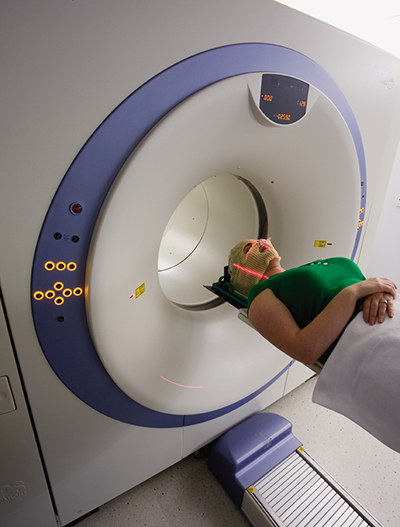
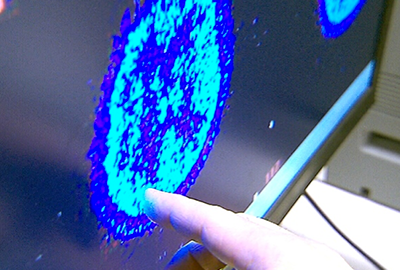
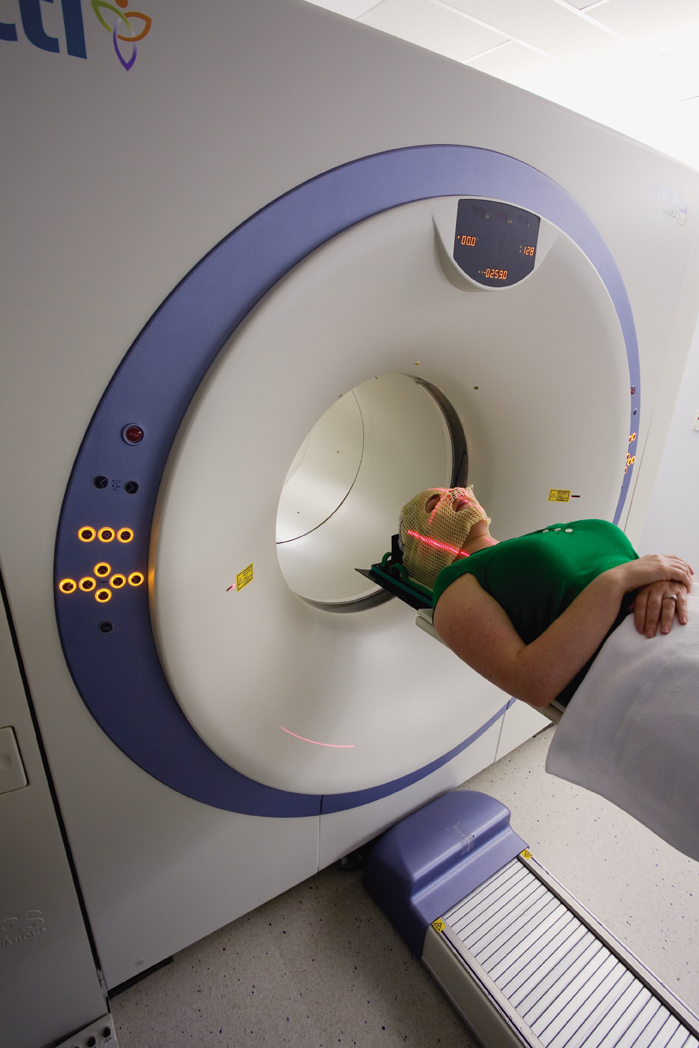
Using a brain imaging technique called positron emission tomography (PET), researchers found the measure of brain inflammation in people experiencing clinical depression was increased by 30 per cent. Rates of inflammation were highest among those with the most severe depression.
"Previous studies have looked at markers of inflammation in blood, but this is the first definitive evidence found in the brain," said Dr. Meyer.
Although inflammation is one way the brain protects itself, too much can be damaging. A growing body of evidence suggests inflammation plays a role in generating the symptoms of a major depressive episode such as low mood, loss of appetite and inability to sleep. The role inflammation played in clinical depression independent of any other physical illness was previously unknown.
This discovery has important implications for developing new treatments for a significant group of people who suffer from depression. "It provides a potential new target to either reverse the brain inflammation or shift to a more positive repair role, with the idea that it would alleviate symptoms," says Dr. Meyer.