New hope for patients with schizophrenia

Research at CAMH is expanding the world’s understanding of brain functioning in schizophrenia—findings that could translate into better treatments for patients.

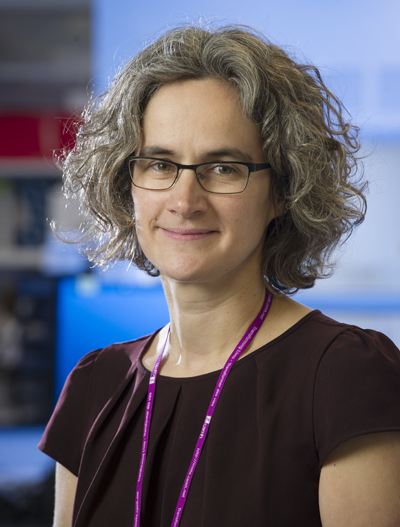
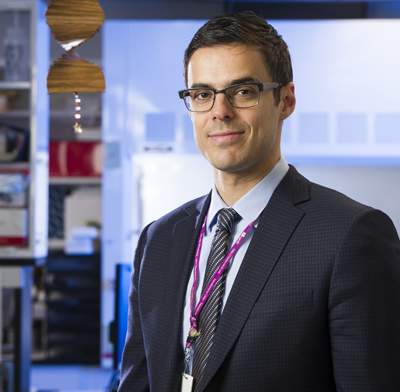
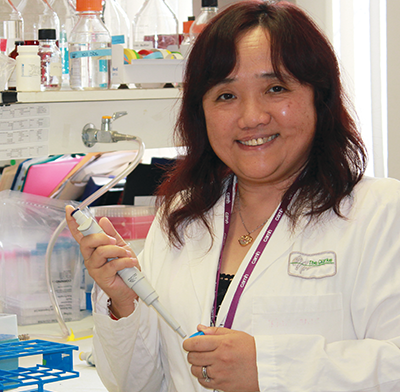
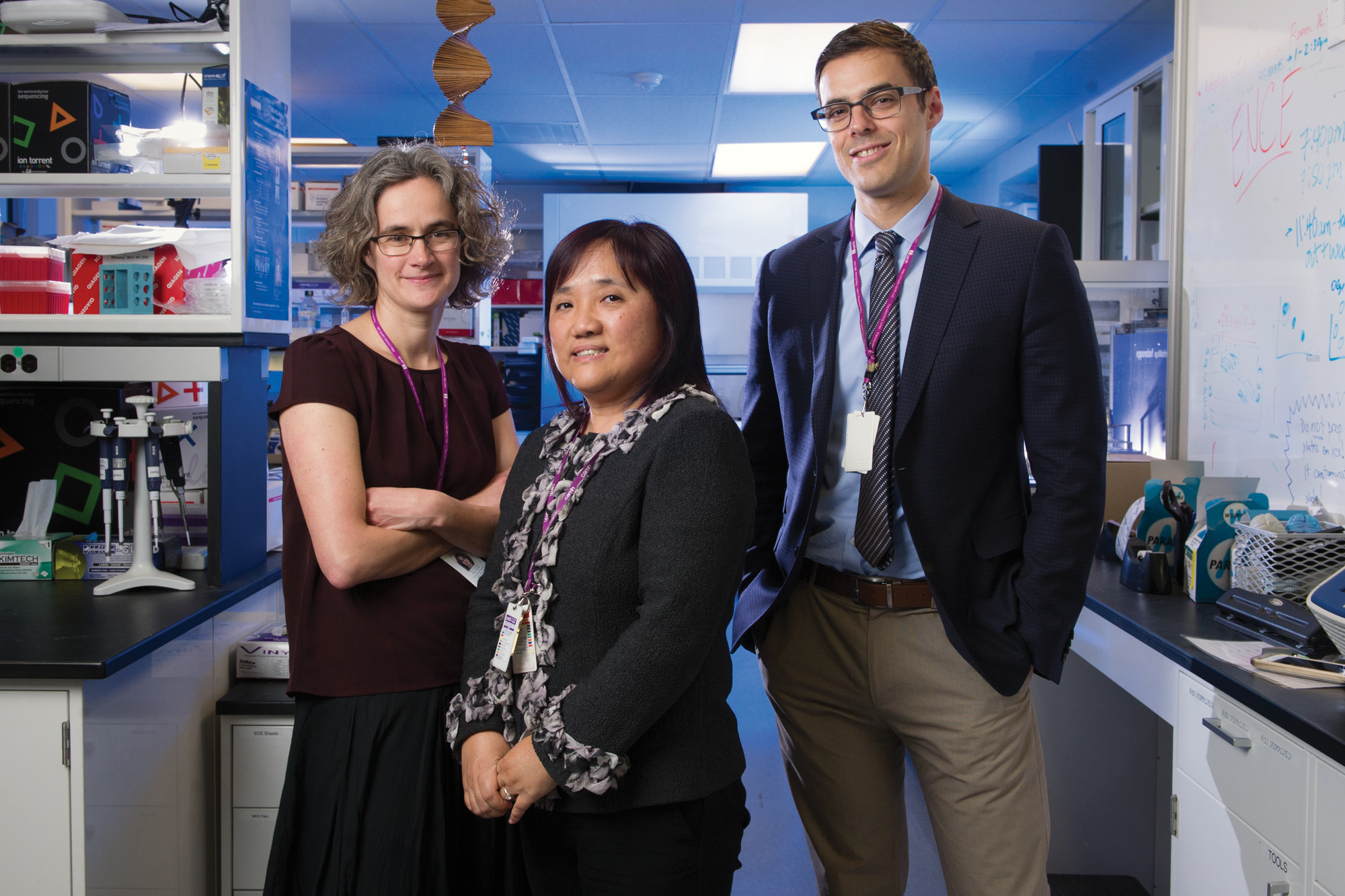
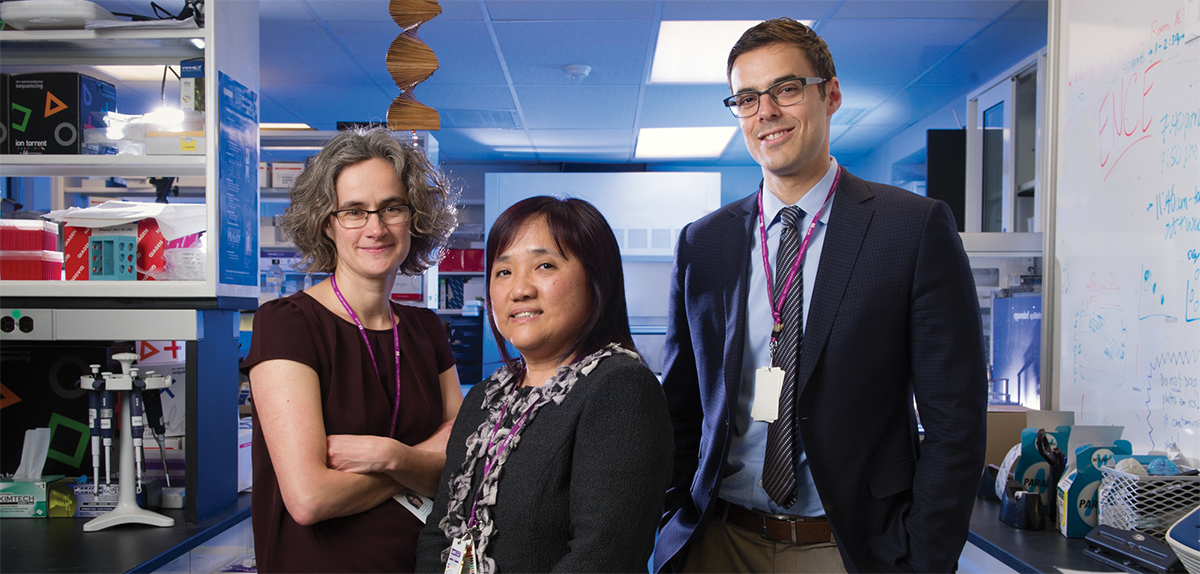
From left, Campbell Institute scientists Drs. Joanne Knight, Fang Liu and Aristotle Voineskos are leading research into schizophrenia.

New hope for patients with schizophrenia

Research at CAMH is expanding the world’s understanding of brain functioning in schizophrenia—findings that could translate into better treatments for patients.

Schizophrenia is a complex mental illness characterized by hallucinations, delusions and disordered thinking, often emerging in the teens and early 20s. New treatments are needed urgently, as minimal innovation in drug development has been seen in 60 years.

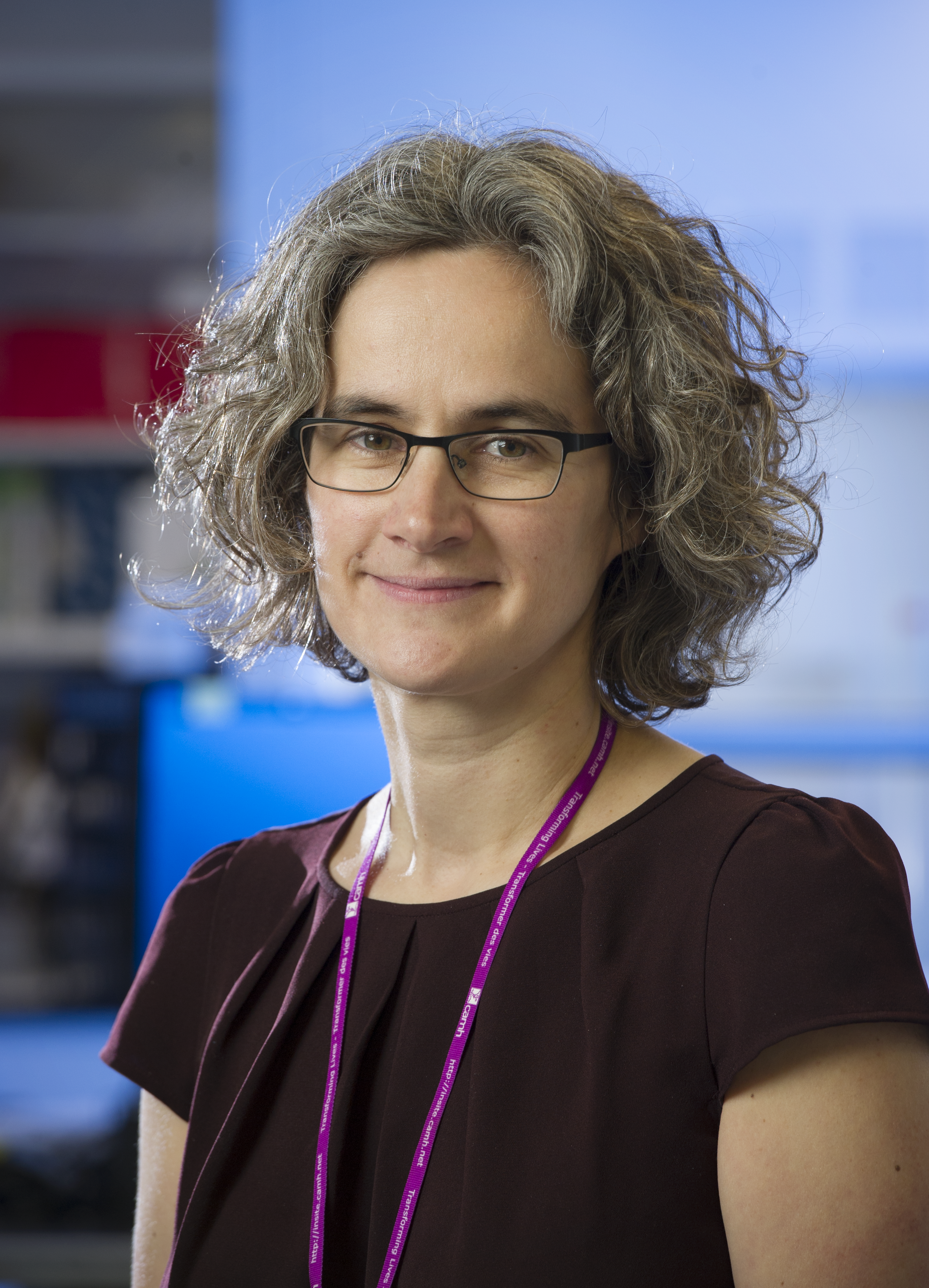
Dr. Joanne Knight, a Campbell Institute scientist, and her team have helped identify over 100 locations in the human genome associated with the risk of developing schizophrenia. The findings point to biological mechanisms and pathways that may underlie schizophrenia, and could lead to new approaches to treating it.

"The fact that we were able to detect genetic risk factors on this massive scale shows schizophrenia can be tackled by the same approaches that have already transformed our understanding of other diseases," explains Dr. Knight.

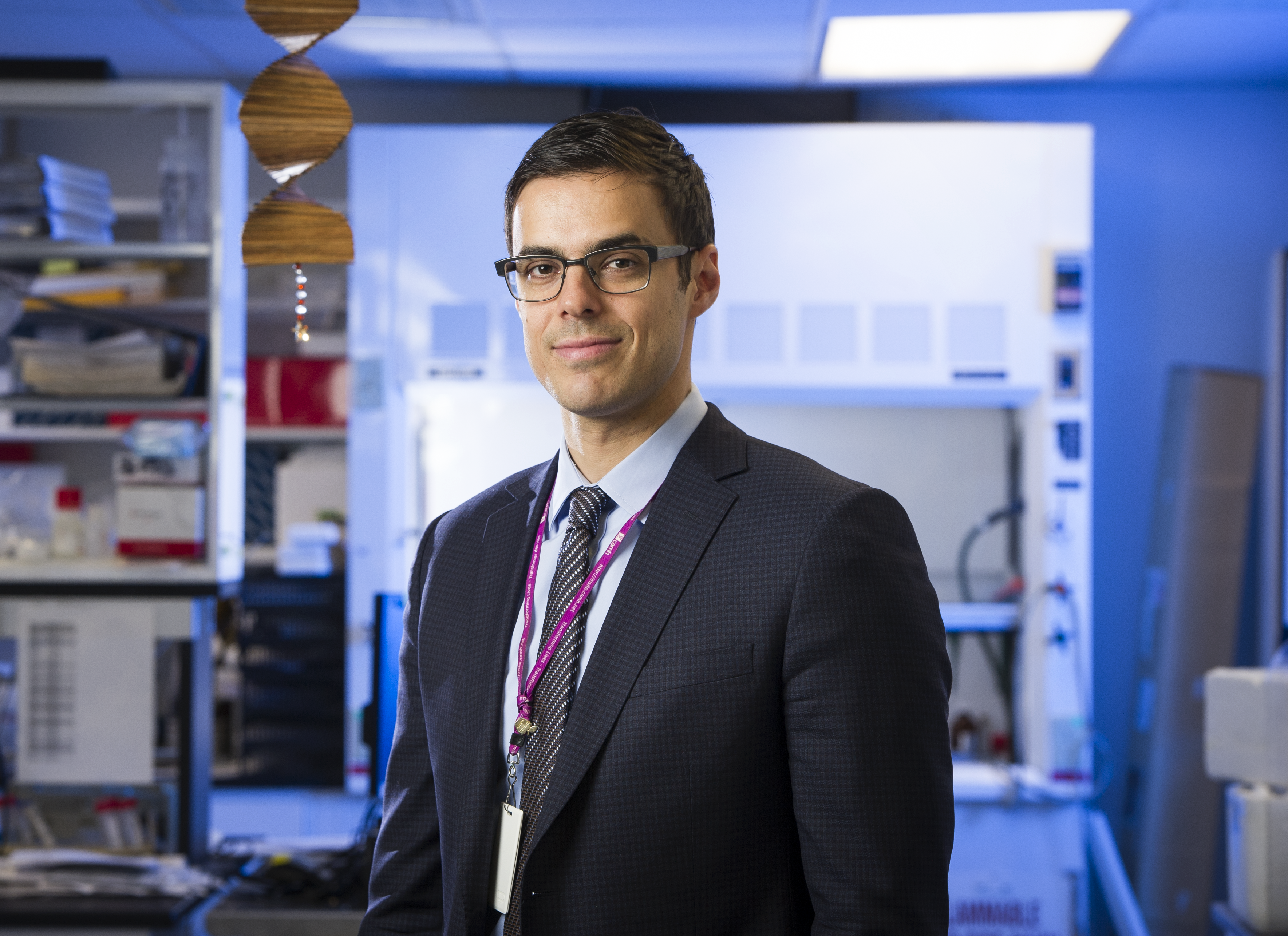
A study by Campbell Institute scientist Dr. Aristotle Voineskos shows people who suffer from severe schizophrenia have different brain networks than those with milder schizophrenia, bipolar disorder or no mental illness. The findings confirm mounting evidence that schizophrenia is in fact more than one brain disorder. Finding a biological, brain-based indicator could help identify this group of patients when they first seek care for psychosis. Otherwise, it can take years to determine social disability through clinical observation, says Dr. Voineskos.

Understanding the circuitry and function of the brain is leading to better treatment for schizophrenia. Dr. Fang Liu, also a Campbell Institute scientist, and her team have discovered a new drug target in the brain that may lead to better antipsychotic medications.

The findings generate new hope for patients living with schizophrenia who might be deterred from taking medications that can cause slowed gait, tremors and stiffness. Dr. Liu’s next step is to determine how the discovery can be translated into new treatments for patients.

"We are optimistic that our findings will lead to new and better options for treatments for schizophrenia, ultimately allowing individuals affected with schizophrenia to lead a better quality of life."


Share this: