“It was a long journey, but I’m
convinced my mother would
no longer be with us had she
not been admitted to CAMH to
experience the wonderful care
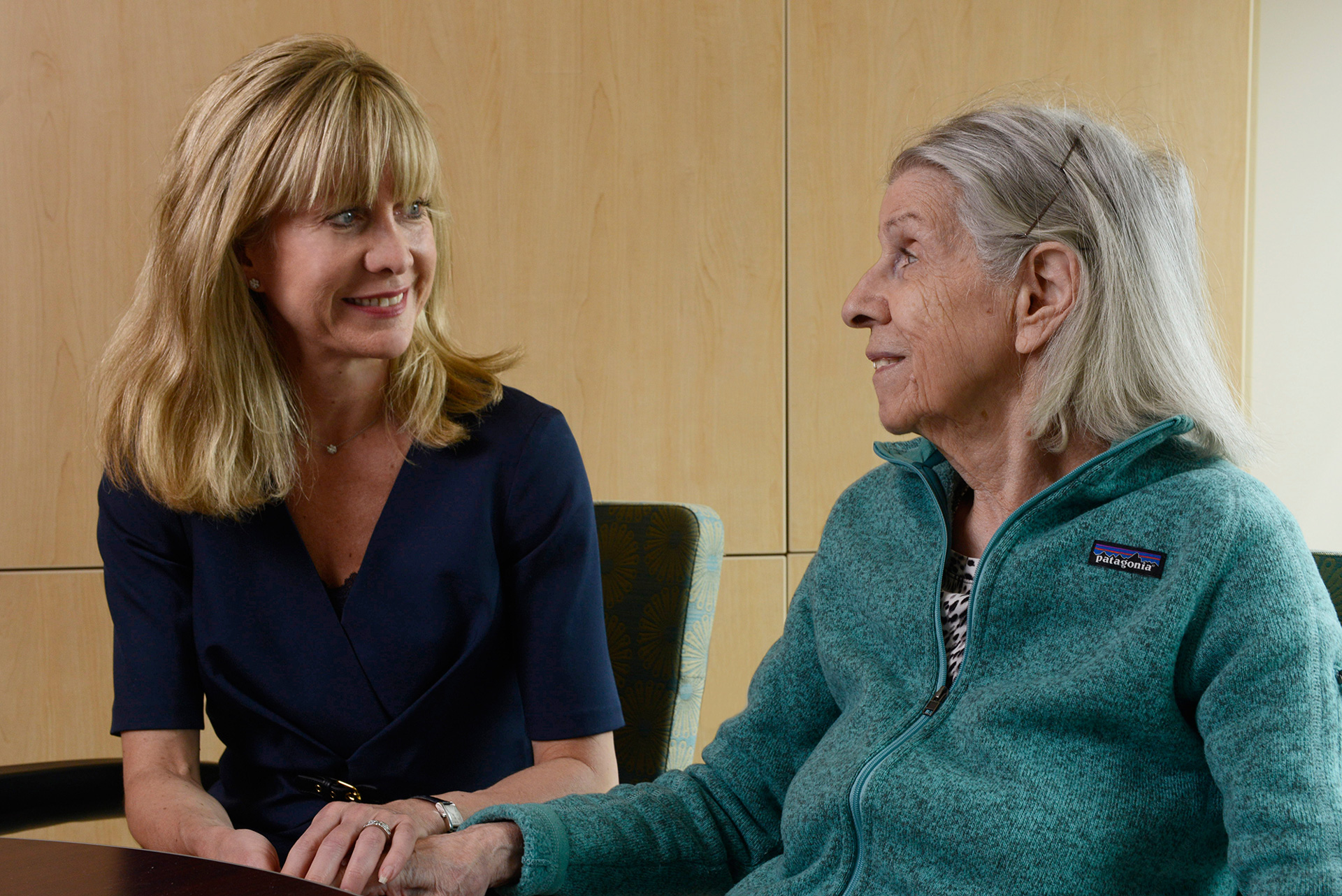
there,” says Linda Krisman.
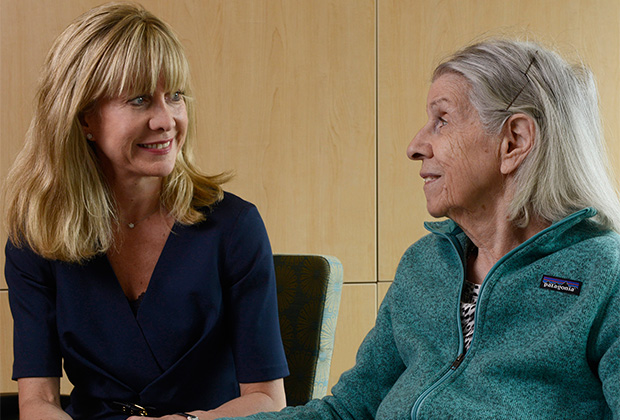
At 84, her mother Yolanda
was struggling with dementia.
She was disoriented, forgetful
and experiencing paranoia;
weak from significant weight
loss, she could no longer look
after herself. Using the new
Dementia: Management of Agitation and Aggression
ICP, care providers from multiple disciplines tailored a structured treatment plan to meet Yolanda’s needs.
“This approach is very humane, and really brings down
the barriers between the community and the hospital,”
Linda says.
“It was very holistic; everyone had the same mission, and
that alignment was very impressive.”
The Dementia pathway is indeed changing the way
patients receive care. For example, while 50 per cent of
similar patients are treated with two or more medications
for neuropsychiatric symptoms in long-term care homes,
the CAMH approach has been able to improve patients’
lives with one medication or even without medication. In
addition, patients enrolled in CAMH’s ICP have 40 per
cent fewer falls.
“In the past few years, the number of new patients
assessed in the memory clinic has increased by 500
per cent. And still, we can see patients within less than
two weeks,” says Dr. Tarek Rajji, CAMH’s Chief of
Geriatric Psychiatry.
More than 1,000 people have benefitted from CAMH’s ICP
approach, including the Alcohol Use Disorder ICP created
through generous support from Lori McBurney. Several
ICPs are being rolled out in settings across the province.
Related video
Integrated Care Pathways at CAMH – The Centre for Addiction and Mental Health is building care pathways around the clinical and social needs of our patients. Integrated Care Pathways or ICPs provide detailed guidance for each stage of recovery, ensuring patients are receiving the right care at the right time in the right place.