New MPA pilot program at CAMH aims to provide better access to medical care for patients with severe mental illness.


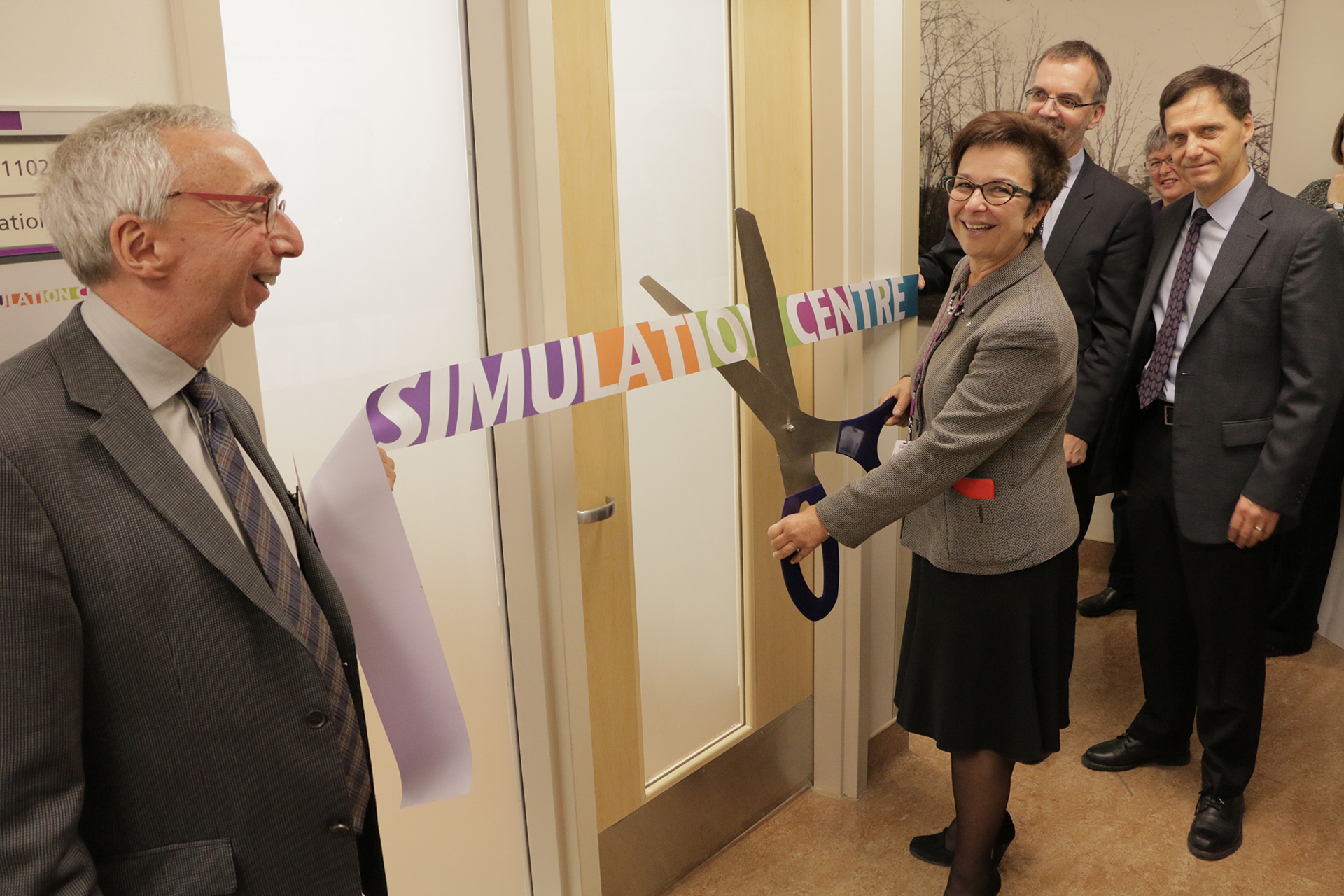





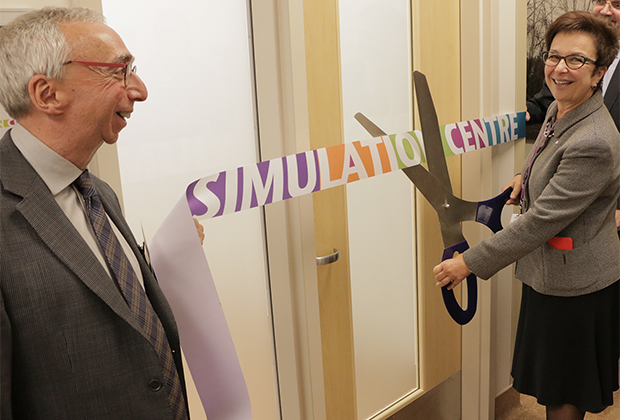
From left, CAMH Vice-President of Education Dr. Ivan Silver watches Dr. Catherine Zahn officially open the Simulation Centre while Dr. Trevor Young, Dean of the University of Toronto Faculty of Medicine, and Dr. Benoit Mulsant, Executive Director of the Medical Psychiatry Alliance, look on.
People with mental illness have a life expectancy up to 15 years shorter than those without because their medical illnesses too often slip through cracks in the system. The Medical Psychiatry Alliance is a partnership with SickKids, Trillium Health Partners and the University of Toronto, in conjunction with the Ministry of Health and Long-Term Care and a generous donor.
“There is plenty of overlap between mental and physical illness, and we can greatly improve health across the board if we simply get better at managing physical and mental illness at the same time,” explains Dr. Valerie Taylor, lead for the CAMH Brain-Heart Service.

There is plenty of overlap between mental and physical illness, and we can greatly improve health across the board if we simply get better at managing physical and mental illness at the same time.”

“Looking at it purely from a health systems perspective, the top one per cent of physical health resource users are twice as likely to have a psychiatric diagnosis.”
Through the CAMH Brain-Heart Service, physical illnesses will be better identified and managed in people with mental illness. With help managing weight and related metabolic issues, patients will be more likely to stick to their psychiatric care plans.
Dr. Taylor launched a series of Obesity Management Training workshops in April aimed at guiding health practitioners in obesity counseling and management. Further workshops are planned at Trillium Health Partners and SickKids.
“We don’t expect psychiatrists to treat diabetes or manage cardiovascular disease, but we can make them feel comfortable in recognizing when another health care professional needs to get involved,” says Dr. Taylor. “That will have a significant impact on patients.”
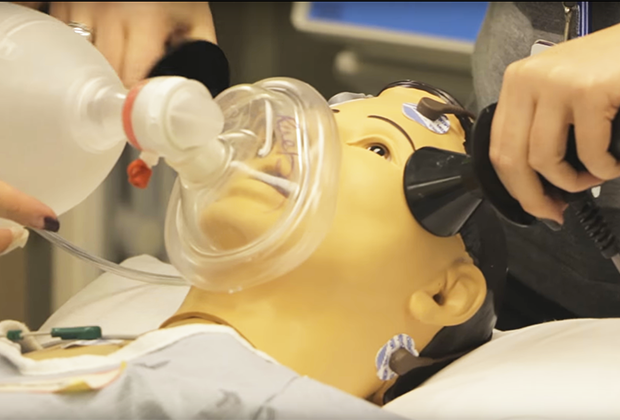
In November 2015, the Medical Psychiatry Alliance celebrated the launch of CAMH’s Simulation Centre. This new education hub provides a safe learning environment for students, trainees and health professionals in which to practice caring for people with combined physical and mental illness. While simulation training is well-established in health specialties such as surgery and anesthesiology, CAMH’s centre is the first in Canada to offer a focus on mental health care.
“There’s not enough opportunity to rehearse aspects of learning before you actually confront it with your patients,” says Dr. Ivan Silver, Vice-President, CAMH Education. “It’s a missing ingredient in mental health — we do a lot of learning on the job, but we need better ways to prepare clinicians before they actually need to use a skill in practice.”