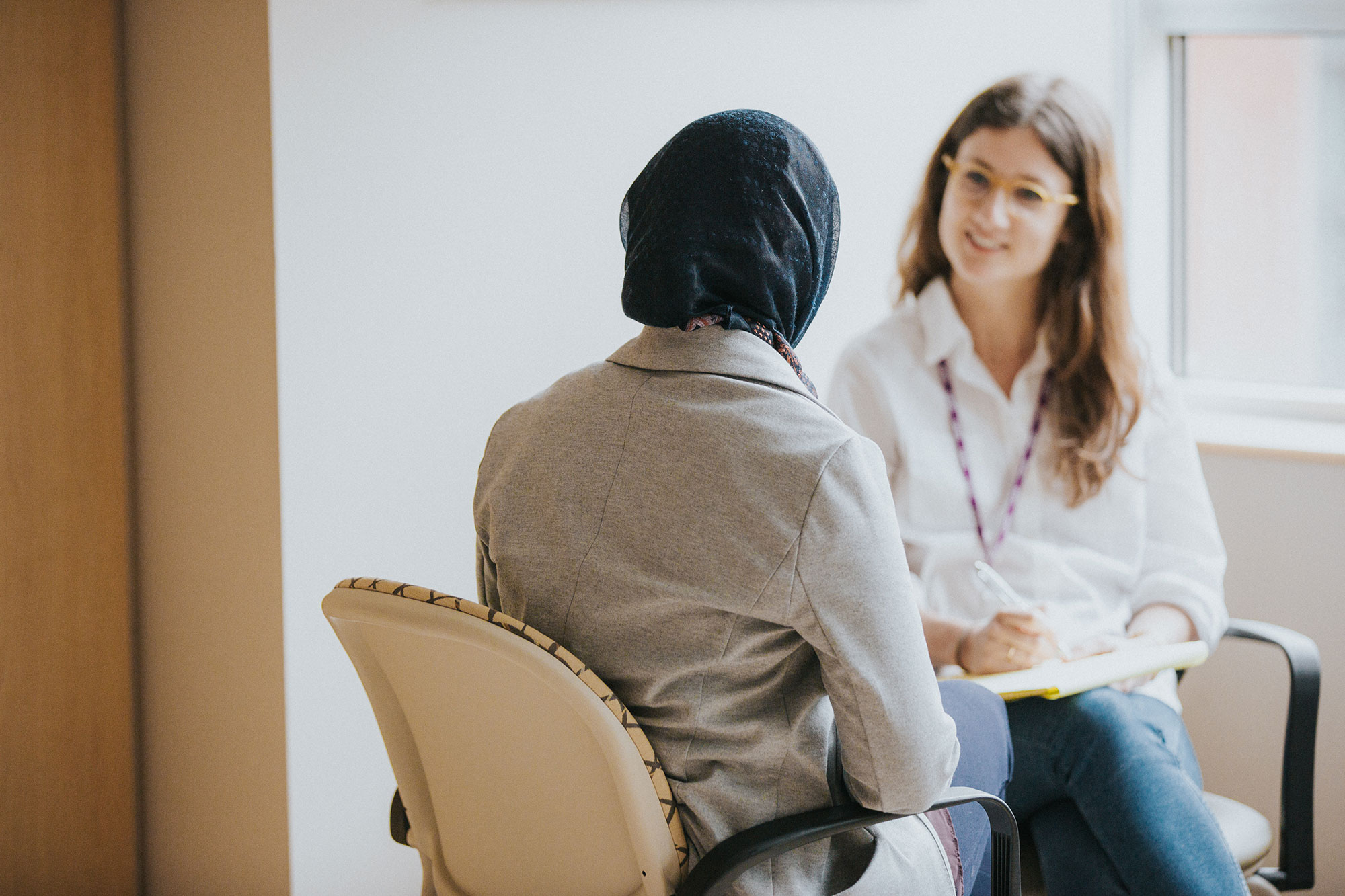
As Canada accepts a surge of 25,000-plus refugees from Syria, the complex issue of refugee mental health has become a priority. We continue to step up our efforts locally and globally to provide care, research, education and expert advice to benefit refugees from around the world.
“This is a very resilient group — some require help for mental health issues while also addressing basic necessities and getting established,” says CAMH’s Stephanie Carter, who managed the launch of the CAMH New Beginnings Clinic. Since early 2016, the clinic has provided care to refugees from countries including Afghanistan, the Czech Republic, Ethiopia, Hungary, Iran, Iraq, Jordan, Nigeria, Syria, Turkey, Albania, Eritrea, Pakistan, Somalia and Caribbean countries. Up to 30 per cent are from Syria.
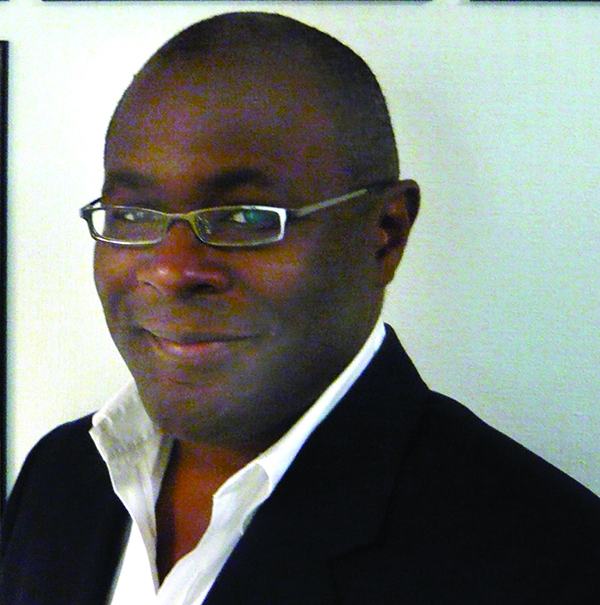
“As a country with a diverse population and an increasingly knowledge- based economy, the mental health of all of Canada’s residents is an important investment — and we cannot afford to leave anyone behind.”
— Dr. Kwame McKenzie, Director of Health Equity at CAMH
Post-traumatic stress disorder (PTSD), depression and anxiety form the largest cluster of mental health challenges faced by patients to date, Carter says. “Key factors may include trauma, torture, human trafficking and sexual assault.” Launched in partnership with Women’s College Hospital Crossroads Clinic, New Beginnings offers direct treatment services to patients as well as consultation to their caregivers.
Dr. Lisa Andermann, the clinic’s consulting psychiatrist, recently assisted a patient from Africa. “She’s dealing with insomnia and other symptoms of PTSD,” notes Dr. Andermann. “We assessed the medication she was prescribed by her family doctor but have also assisted her with community connections and language services. It’s helped her feel like she is on the right track and fully supported.”
CAMH’s Dr. Branka Agic is a researcher on three of the first studies on the health of Syrian refugees in Canada. She’s been tracking immediate health needs to help local decision-makers. Now, she’s extending this research to understand how needs change after arrival.
“In the first year, refugees often experience a honeymoon period” but outlooks can change as the realities of living in a new country set in, she says. The research is probing factors including changes in financial security and social determinants of health such as access to housing and jobs, and discrimination.
Across Canada, CAMH continues to expand its training for caregivers under the Refugee Mental Health Project. Thousands of health-care, settlement and social service providers serving refugees have benefited from this evidence-based online course. Meanwhile, CAMH and its partners are making the case for better services to meet the unique mental health needs of refugees. The Case for Diversity Report is the result of a multi-year research project lead by Dr. Kwame McKenzie, Director of Health Equity at CAMH, and Dr. Agic, CAMH’s Manager of Health Equity.
Released by the Mental Health Commission of Canada, the report provides policy makers and system planners with empirical evidence about current mental health disparities, and the cost savings associated with closing the gap.
“As a country with a diverse population and an increasingly knowledge-based economy, the mental health of all of Canada’s residents is an important investment — and we cannot afford to leave anyone behind,” says Dr. McKenzie.
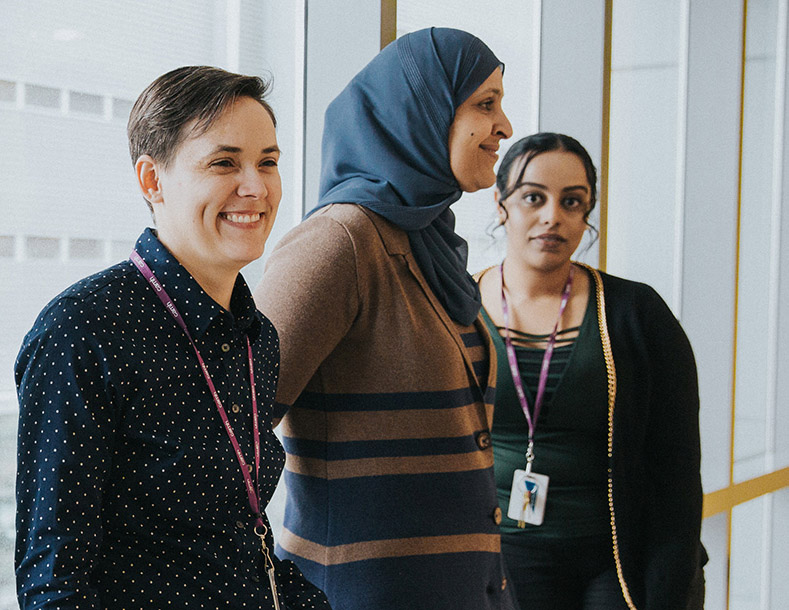
New Beginnings Clinic team members, left to right, Stephanie Carter, Dr. Thuriya Balhaj and Iman Hussain.