|
Publications
|
Note from the Editor
CrossCurrents
Family members make up the largest group of community caregivers for people with mental health and substance use issues. They
play an essential role in the community health system and have a huge impact on clients' ability to deal with their illness
and move toward recovery. Yet the nature and importance of the contribution that families make is largely unrecognized by
the health care system. This needs to change. With cuts to the health care system, there is a greater demand than ever for
community-based services, but funding is not meeting the demand. Increasingly, families are relied upon to act as caregivers.
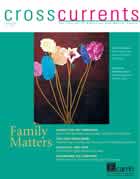
The stories in this issue of CrossCurrents reflect the need for the philosophy of care to shift to include families in decision making and client care. A vision of
family-centred care means shifting from control to collaboration, from information gatekeeping to information sharing, from
program rigidity to flexibility and from health care professionals as experts to health care professionals as partners. In
her introduction, Betty Miller, co-ordinator of the Family Council at the Centre for Addiction and Mental Health, urges the health care system to look to families for their strength and resources
rather than focusing on their weaknesses and to empower families instead of promoting dependence.
Astrid Van Den Broek's story about support groups for families who have a member with a concurrent disorder shows how sharing stories reduces isolation and enables families to better cope with the unique challenges of concurrent
disorders. Cindy McGlynn offers practical tips from health care practitioners to help families provide effective care to their
loved ones. Helen Buttery describes the creative work of first episode psychosis programs across Canada that emphasizes the value of including families in the care, treatment and recovery plans of youth experiencing
a first psychotic episode. Phyllis Vineberg, a Montreal mother whose son developed a gambling problem and committed suicide,
shares her personal story and how families can be strong advocates for change. Julie Traves discusses common questions about
same-sex families, a timely issue given the current same-sex marriage debate. We wrap up the family issue on a humorous note,
diagnosing North America's favourite family -- the Simpsons.
Enjoy this issue of CrossCurrents. Send us your comments, suggestions and ideas. It is your input that furthers the dialogue around mental health and addiction
issues.
Hema Zbogar tel 416 595-6714 hema_zbogar@camh.net
|
|